
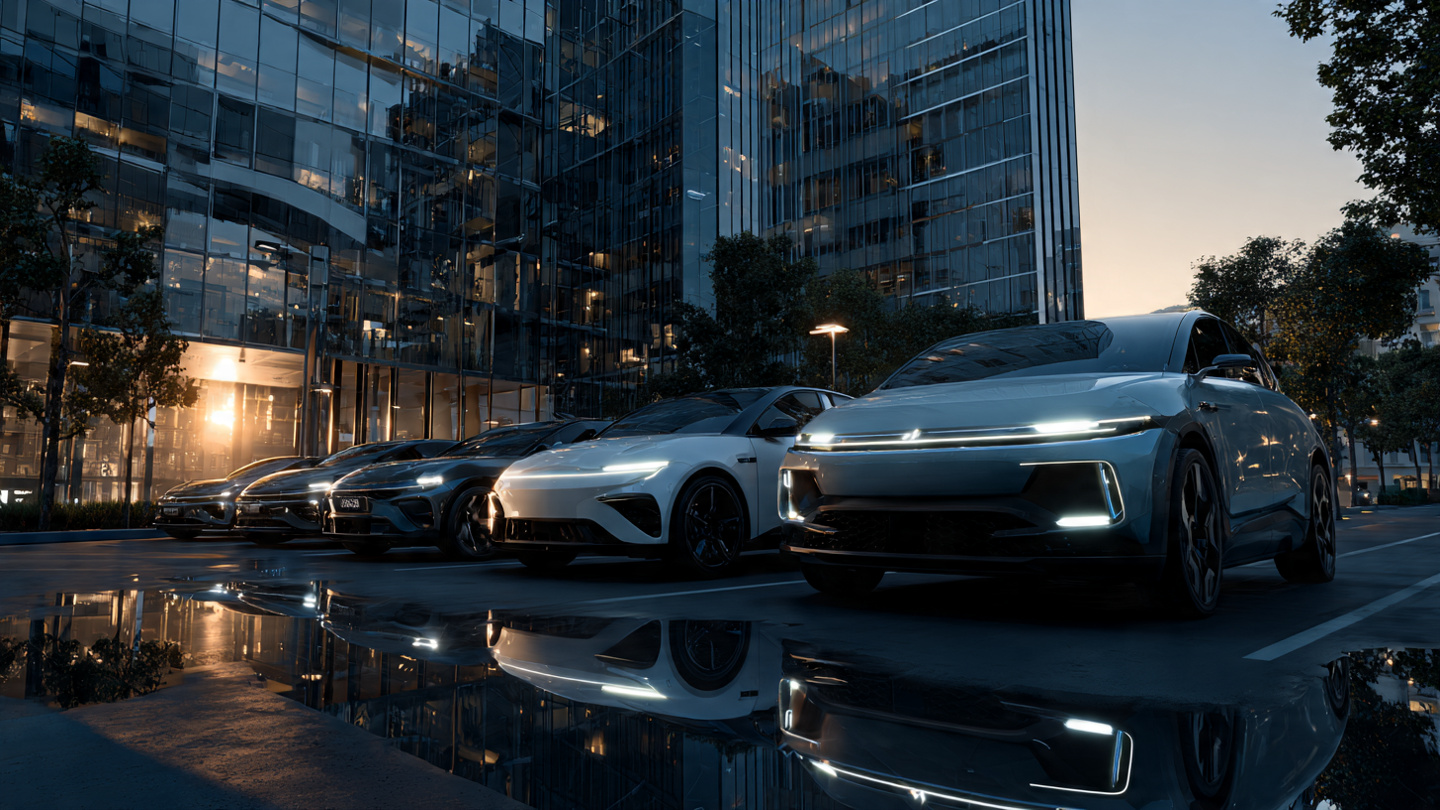
Something big is changing on our roads.
If you have driven a petrol or diesel car for years, you can already feel it. Fuel prices go up. Cities talk about bans. Charging stations pop up near malls and highways.
By 2026, this shift will no longer feel optional.
Car makers are preparing vehicles that are cleaner, quieter, and cheaper to run in daily life. These upcoming cars are not just “eco-friendly options.” They are strong enough to replace petrol and diesel for most people.
Based on industry trends, launch plans, and real driving needs, here are 7 upcoming cars in 2026 that could seriously push petrol and diesel into the background.
Why 2026 Is a Turning Point for Cars
Before jumping into the list, it helps to understand why 2026 matters.
From my experience covering automobile launches and talking to owners, three things are happening at once:
- Better battery range (400–600 km becoming normal)
- Faster charging (20–30 minutes, not hours)
- Strong government push for EVs and hybrids
For the first time, electric and next-gen hybrid cars are starting to fit real Indian driving habits, not just city use.
1. Tesla Model 2 (Expected Compact EV)
Tesla’s smaller, more affordable car is expected to arrive around 2026 in select markets, including India.
Why it matters
Most people don’t need a luxury EV. They need a reliable daily car. Model 2 is expected to focus on exactly that.
What to expect
- Range: Around 400 km
- Simple interior, fewer gimmicks
- Strong software and safety systems
Real-world impact
For someone who drives 30–50 km daily, this car could replace a petrol hatchback completely. Charging once or twice a week would be enough.
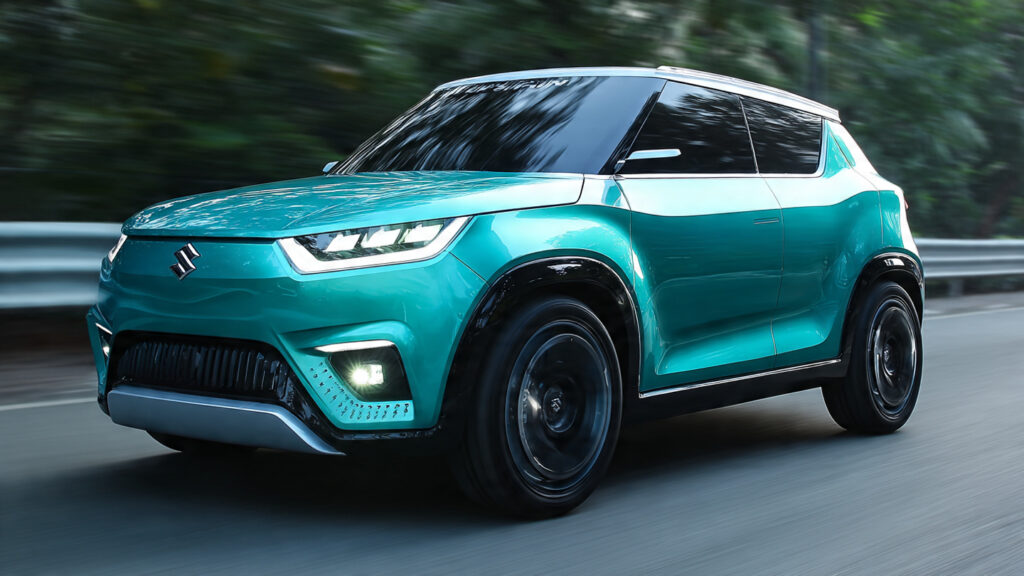
2. Maruti Suzuki Electric SUV (Born-EV Platform)
Maruti knows India better than anyone else. Their upcoming electric SUV, expected by 2026, could be a game changer.
Why it matters
Many Indian families trust Maruti blindly. Once Maruti goes all-in on EVs, petrol demand will feel the pressure.
Expected highlights
- Practical range for highway and city use
- Affordable servicing
- Wide service network
From experience
People hesitate to buy EVs mainly due to service fear. Maruti solves that problem better than any brand in India.
3. Tata Sierra EV (Production Version)
Tata Motors has already proven itself with Nexon EV and Punch EV. Sierra EV is expected to take things up a notch.
Why it matters
Sierra EV targets buyers who want space, comfort, and style, not just savings.
Likely features
- Range above 500 km
- Premium interior
- Strong build quality
Practical insight
Long drives become easier when range anxiety reduces. A 500+ km range means one full day of highway driving without stress.
4. Hyundai Creta EV
Creta is already one of India’s best-selling SUVs. Its electric version could change buyer behavior overnight.
Why it matters
People already love the Creta. Switching to an EV version feels familiar, not risky.
What Hyundai is focusing on
- Smooth driving experience
- Balanced pricing
- Proven reliability
Daily use scenario
Office commute, school runs, weekend trips—Creta EV could handle all of it without petrol costs eating into monthly budgets.
5. Toyota Hybrid SUV (Next-Gen Strong Hybrid)
Not everyone is ready for full electric. Toyota knows this and is doubling down on strong hybrid technology.
Why it matters
Hybrids offer the best of both worlds:
- No charging anxiety
- Much lower fuel consumption
Expected benefits
- 25+ km/l real-world mileage
- Automatic transmission as standard
- Proven Toyota reliability
Honest take
For people living in areas with limited charging, hybrids could kill diesel demand faster than EVs.
6. MG4 Electric Hatchback / Crossover
MG is aggressive with EV pricing and features. MG4 is expected to target young buyers and first-time EV owners.
Why it matters
This car focuses on value for money, not luxury.
Expected strengths
- Fun to drive
- Good range for the price
- Modern interior and tech
Who it’s for
If you currently drive a petrol hatchback and want a smooth upgrade, this type of EV makes total sense.
7. Mahindra Born Electric SUVs (BE Series)
Mahindra has announced a full electric lineup under its BE brand, expected to hit roads by 2026.
Why it matters
Mahindra understands Indian roads and rough usage.
What stands out
- Rugged design
- Long driving range
- SUV-focused performance
Experience-based insight
Rural and semi-urban buyers often avoid EVs due to road conditions. Mahindra’s EVs could change that perception.
Petrol vs Diesel vs Electric: A Quick Reality Check
Here’s a simple comparison based on daily ownership experience:
| Factor | Petrol | Diesel | Electric |
|---|---|---|---|
| Running cost | High | Medium | Very Low |
| Maintenance | Medium | High | Low |
| Noise & vibration | High | Very High | Very Low |
| City driving | Costly | Not ideal | Perfect |
| Future-ready | No | No | Yes |
This is why petrol and diesel feel outdated when compared honestly.
People Also Ask (Answered Simply)
Will petrol and diesel cars be banned by 2026?
Not completely. But restrictions in cities will increase. Resale value may drop faster.
Are electric cars really cheaper in the long run?
Yes, for most users. Lower fuel and maintenance costs make a big difference over 5–7 years.
What about battery replacement cost?
Modern EV batteries are designed to last 8–10 years. Prices are also falling every year.
Is charging still a problem?
Charging infrastructure is improving fast, especially on highways and in cities.
A Note on Trust and Reality
No car is perfect for everyone. EVs and hybrids are not magic solutions. Charging access, driving habits, and budget still matter.
But from what I’ve seen and experienced, 2026 is when electric and hybrid cars stop feeling like alternatives and start feeling like the default choice.