
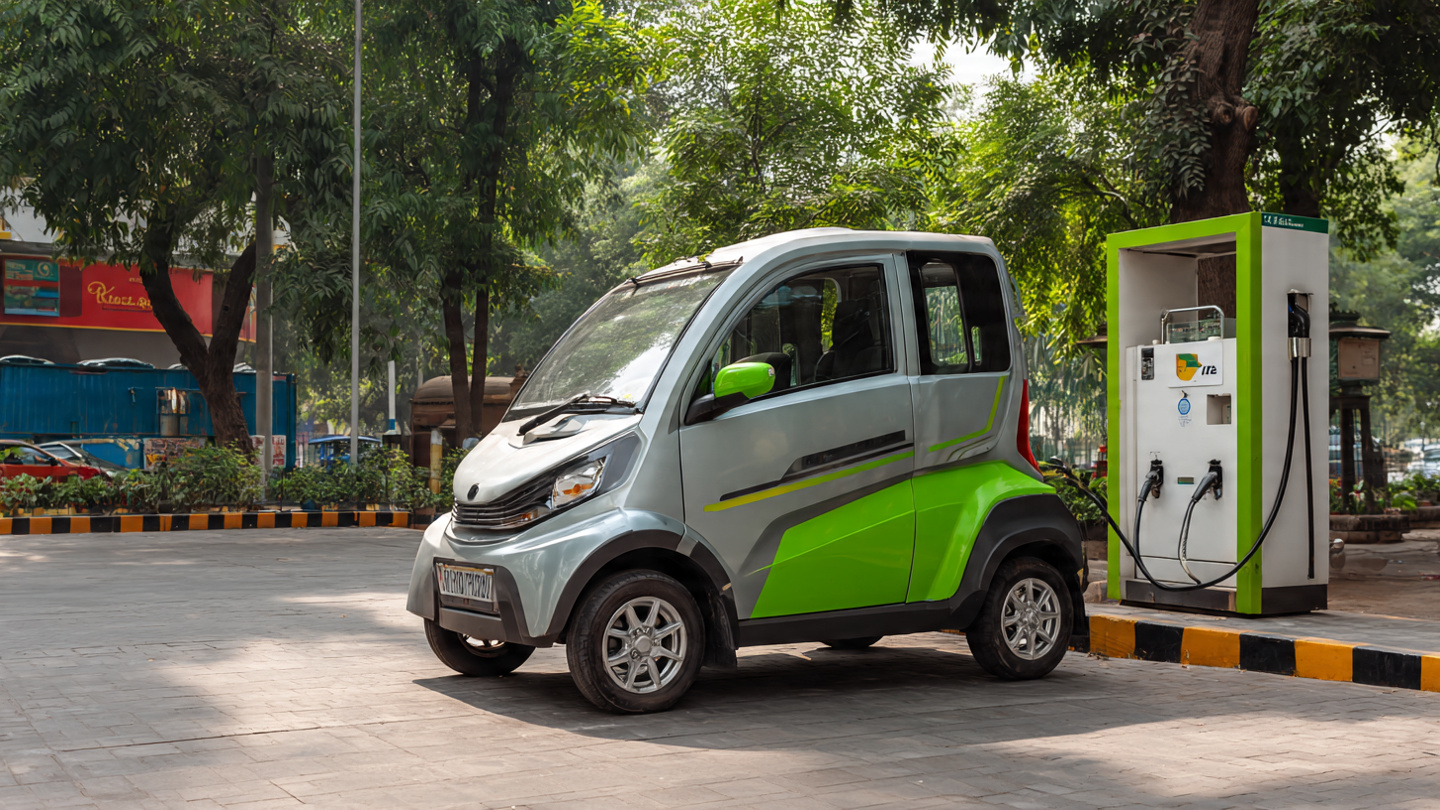
The salesman assured me the electric car would change my life. Six months later, I was stranded on the Mumbai-Pune expressway with 2% battery and no charging station in sight. That’s when I realized nobody talks about the real problems with EVs in India.
You’ve probably seen the ads. Celebrities cruising silently in sleek electric cars. Zero emissions. Zero fuel costs. The future is electric, they say. But here’s what they don’t tell you during those glossy commercials.
Let me share ten hard truths that every Indian car buyer needs to understand before putting down a deposit on an electric vehicle. These aren’t theories from some foreign website. These are real experiences from actual EV owners across Delhi, Bangalore, Chennai, and smaller cities where the rubber meets the road.
1. Charging Infrastructure Is Still a Gamble Outside Metro Cities
Mumbai has charging stations. Delhi has them too. But what about Jaipur? Indore? Coimbatore?
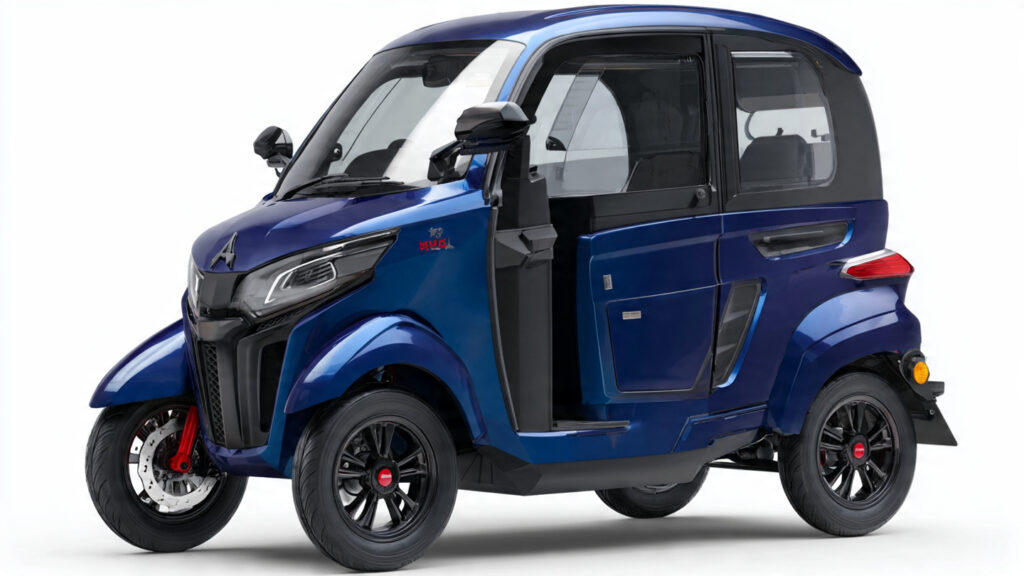
Here’s the reality: India has roughly 12,000 public charging points as of early 2025. Sounds decent until you compare it to over 80,000 petrol pumps. Most charging stations cluster around tech hubs and major highways.
My friend Rajesh from Nagpur bought a Tata Nexon EV last year. He loves it for city drives. But when he planned a trip to his hometown near Amravati, he spent three hours researching charging points. He found exactly one working station on his route. One.
What this means for you:
- Daily commutes within cities? Perfect.
- Weekend road trips to unexplored areas? Pack your anxiety pills.
- Living in tier-2 or tier-3 cities? Check charging maps before you buy.
The situation is improving, but slowly. Very slowly.
2. Your Electricity Bill Will Definitely Increase
“Save money on fuel!” screams every EV advertisement. True, but incomplete.
A typical EV in India consumes about 15-20 units of electricity per 100 kilometers. If you drive 1,500 km monthly, that’s roughly 225-300 units added to your home bill. At an average rate of ₹7 per unit, you’re looking at ₹1,575 to ₹2,100 extra per month.
Still cheaper than petrol? Absolutely. But it’s not “free” like some people imagine.
Plus, there’s another catch. Installing a home charger often requires upgrading your electrical connection. This means:
- Higher sanctioned load from your electricity board
- Increased fixed charges every month
- Potential wiring upgrades if your building is old
Priya from Pune faced this exact situation. Her society’s electrical system couldn’t handle a 7.2 kW charger without modifications. The upgrade cost her ₹35,000. Nobody mentioned this at the dealership.
3. Battery Replacement Costs Are Brutal
Let’s talk about the elephant in the room. EV batteries don’t last forever.
Most Indian EV manufacturers offer 8-year warranties on batteries. Great. But what happens in year nine? Or year ten?
Replacing an EV battery pack costs anywhere from ₹3 lakh to ₹8 lakh depending on your vehicle. For some budget EVs, that’s nearly half the car’s original price.
Battery degradation happens gradually:
- Year 1-3: Minimal loss, maybe 5-10%
- Year 4-6: You’ll notice the range dropping
- Year 7-8: Could lose 20-30% of original capacity
- Beyond: Anyone’s guess
Anil in Hyderabad bought an early electric car in 2018. By 2024, his “300 km range” vehicle barely managed 180 km on a full charge. The quoted replacement cost? ₹5.8 lakh. He sold the car instead.
Battery technology is improving. Costs are slowly dropping. But right now, this remains a massive financial risk lurking a few years down the road.
4. Real-World Range Is Much Lower Than Advertised
The brochure says 400 km. You’ll get 280 km if you’re lucky.
Why? Because those range figures come from controlled lab tests. Real driving conditions in India are completely different.
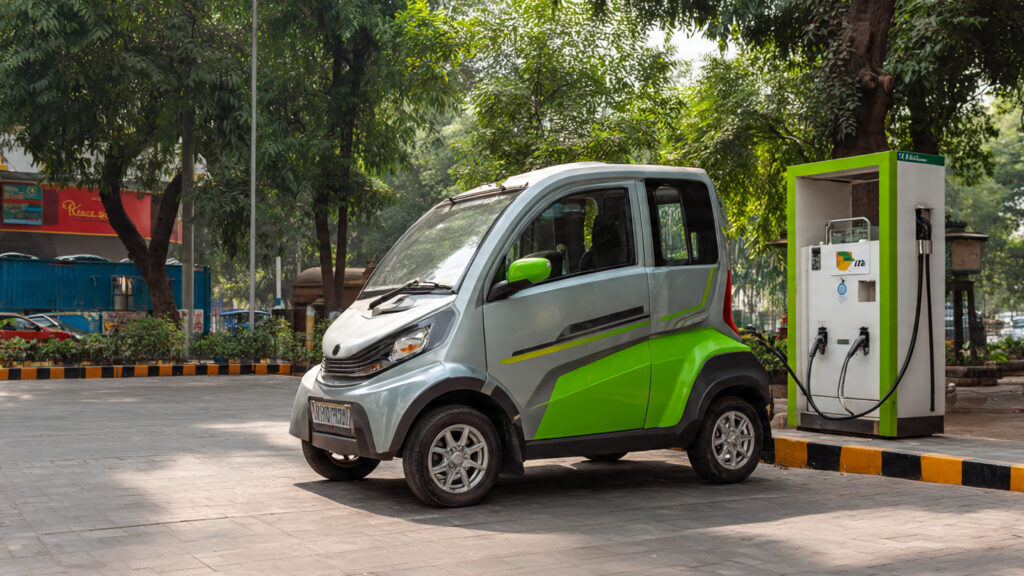
Factors that murder your EV’s range:
- Air conditioning (reduces range by 20-30% in Indian summers)
- Aggressive acceleration in traffic
- Constant braking and accelerating
- Highway speeds above 80 km/h
- Battery degradation over time
Kavita from Bangalore bought her EV expecting a 350 km range. During summer, with AC on full blast and city traffic, she barely manages 220 km. That’s a 37% reduction.
The lesson? Always assume you’ll get 30-40% less range than advertised. Plan your charging accordingly.
5. Charging Actually Takes Much Longer Than You Think
Fast charging gives you 80% battery in 45 minutes, right? Technically yes. Practically, it’s complicated.
First, finding a working fast charger is challenge number one. Many are broken, occupied, or simply don’t exist where you need them.
Second, that “45 minutes” assumes everything works perfectly. Add time for:
- Finding the charging station
- Waiting if someone else is charging
- App-based payment failures (happens more than you’d think)
- The charger malfunctioning mid-session
- The final 20% that takes forever (batteries charge slower near full capacity)
Sanjay learned this during a Delhi to Agra trip. What should have been a 4-hour journey took 7 hours because he spent nearly 3 hours dealing with charging issues.
Compare this to pumping petrol—a 5-minute affair. The convenience gap is massive.
6. Resale Value Is Still Uncertain Territory
Want to sell your 3-year-old EV? Good luck getting a fair price.
The used EV market in India is immature. Buyers worry about battery health. They don’t know how to assess it. Dealers lowball offers because they’re uncertain too.
A traditional petrol car retains about 50-60% of its value after three years. Current data suggests EVs might retain only 35-45%. But we’re still figuring this out.
Why resale is tricky:
- Battery condition is hard to verify
- Technology is evolving rapidly (newer models make old ones obsolete)
- Limited buyer demand for used EVs
- Uncertainty about repair costs
Meena tried selling her 2-year-old electric hatchback. Despite excellent condition, dealers offered 30-35% less than equivalent petrol models. She eventually sold it privately, but it took four months.
7. Service Centers and Mechanics Are Rare
Your local mechanic who’s fixed your family’s cars for 20 years? He probably can’t work on your EV.
Electric vehicles need specialized training. High-voltage systems aren’t something you can learn from YouTube. Most EVs require authorized service centers.
The problem:
- Limited service centers outside major cities
- Long waiting periods for appointments
- Higher labor charges
- Genuine parts availability issues
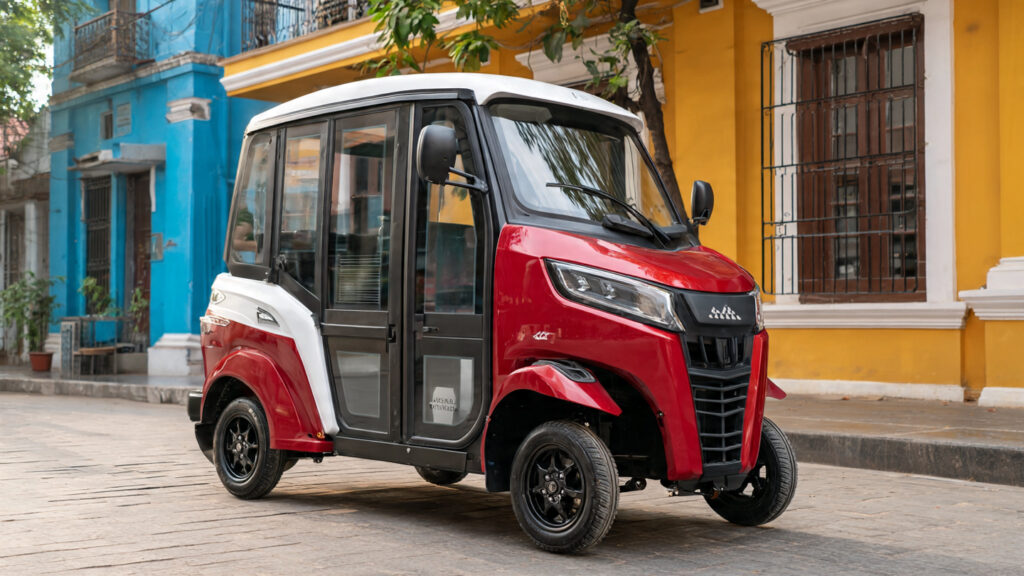
Arjun from Lucknow discovered this when his EV had a minor fault. The nearest authorized service center was 80 km away. They couldn’t come to him. He had to get the car towed because driving with the fault warning was risky.
The appointment? Three weeks out. For a minor software glitch.
8. Insurance Costs Are Significantly Higher
Nobody talks about this until you’re signing papers.
EV insurance costs 15-25% more than equivalent petrol cars. Why? Because:
- Battery damage claims are expensive
- Fewer insurance companies understand EVs
- Repair costs are higher due to specialized parts
- Total loss scenarios are pricier
Deepak from Chennai pays ₹32,000 annually for his mid-range EV insurance. His colleague with a similar petrol car pays ₹24,000. That’s ₹8,000 extra every year.
Over ten years, you’re looking at an additional ₹80,000 just in insurance. Factor this into your total cost of ownership.
9. Extreme Temperatures Affect Performance Dramatically
India has extreme weather. EVs don’t particularly enjoy it.
In North Indian winters, when temperatures drop to 5-10°C, battery efficiency plummets. You could lose 20-30% of your range just because it’s cold outside.
During summer, running the AC hard drains batteries faster. Plus, extreme heat (above 40°C) accelerates battery degradation over time.
Real experiences:
- Rohit in Srinagar sees his range drop by nearly 40% during peak winter
- Lakshmi in Chennai noticed faster battery drain during May-June heat waves
- Mumbai’s humidity affects battery cooling systems
Petrol cars have similar issues, but the impact is far less dramatic.
10. You’re Beta Testing For Future Buyers
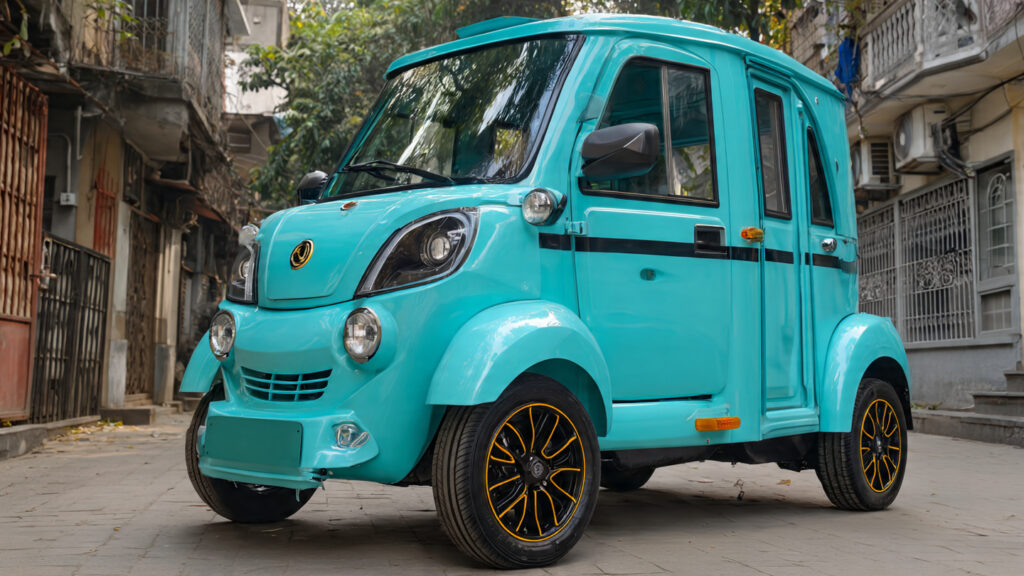
Here’s the uncomfortable truth: Indian EV technology is still evolving rapidly.
The car you buy today might be outdated in two years. Better batteries, faster charging, longer ranges—all coming soon. This isn’t like buying a Maruti Alto that’ll run reliably for 15 years with basic maintenance.
You’re essentially:
- Paying premium prices for first-generation tech
- Taking the depreciation hit while technology improves
- Dealing with growing pains of a new industry
- Hoping your specific model doesn’t become obsolete
Vishal bought an electric SUV in 2022 for ₹18 lakh. By 2024, newer models with 50% more range were selling for ₹16 lakh. His car’s value? Around ₹9 lakh.
That’s the early adopter tax.
Should You Still Buy an EV?
After reading all this, you might think I hate electric vehicles. I don’t.
EVs make perfect sense for specific situations:
- You have a fixed daily commute within the city
- You can charge at home reliably
- You own another petrol/diesel car for long trips
- You understand and accept the current limitations
- You want to reduce your carbon footprint
- You’re financially prepared for battery replacement eventually
But if you need one vehicle that does everything, if you frequently travel to remote areas, or if charging infrastructure in your city is poor—maybe wait a few more years.
The technology will improve. Prices will drop. Charging networks will expand. Battery costs will decrease.
Questions People Actually Ask
How much does it really cost to charge an EV at home? Between ₹1,500-₹2,500 per month if you drive about 1,500 km. This varies based on your electricity rates and driving style.
Can I install a charger in my apartment building? Legally yes, but you’ll need your society’s permission. Many older buildings require electrical upgrades. Budget ₹25,000-₹50,000 for installation.
What happens if I run out of charge on the highway? You’ll need to call for roadside assistance. Some companies provide mobile charging. Otherwise, you’re looking at an expensive tow to the nearest charging point.
Are EVs really better for the environment in India? Mostly yes, but remember India’s electricity still comes largely from coal. As our grid gets cleaner, EVs become genuinely greener.
How long do EV batteries actually last? Most should give 8-10 years before needing replacement. But this depends heavily on charging habits, climate, and usage patterns.
The Real Talk
Buying an electric vehicle in India today is part practicality, part ideology, and part gamble.
You’re not just buying a car. You’re buying into an ecosystem that’s still under construction. The roads are being built while you drive on them.
Some days, you’ll love the silent drive and zero trips to the petrol pump. Other days, you’ll curse at broken charging stations and range anxiety.
Talk to actual EV owners in your city. Not company representatives or enthusiastic YouTubers—real people who drive these cars daily. Check charging infrastructure in areas you frequently visit. Calculate your actual monthly electricity costs. Factor in battery replacement.
Make an informed decision, not an emotional one.
The future is probably electric. But the present? The present is complicated.
And complications require preparation.